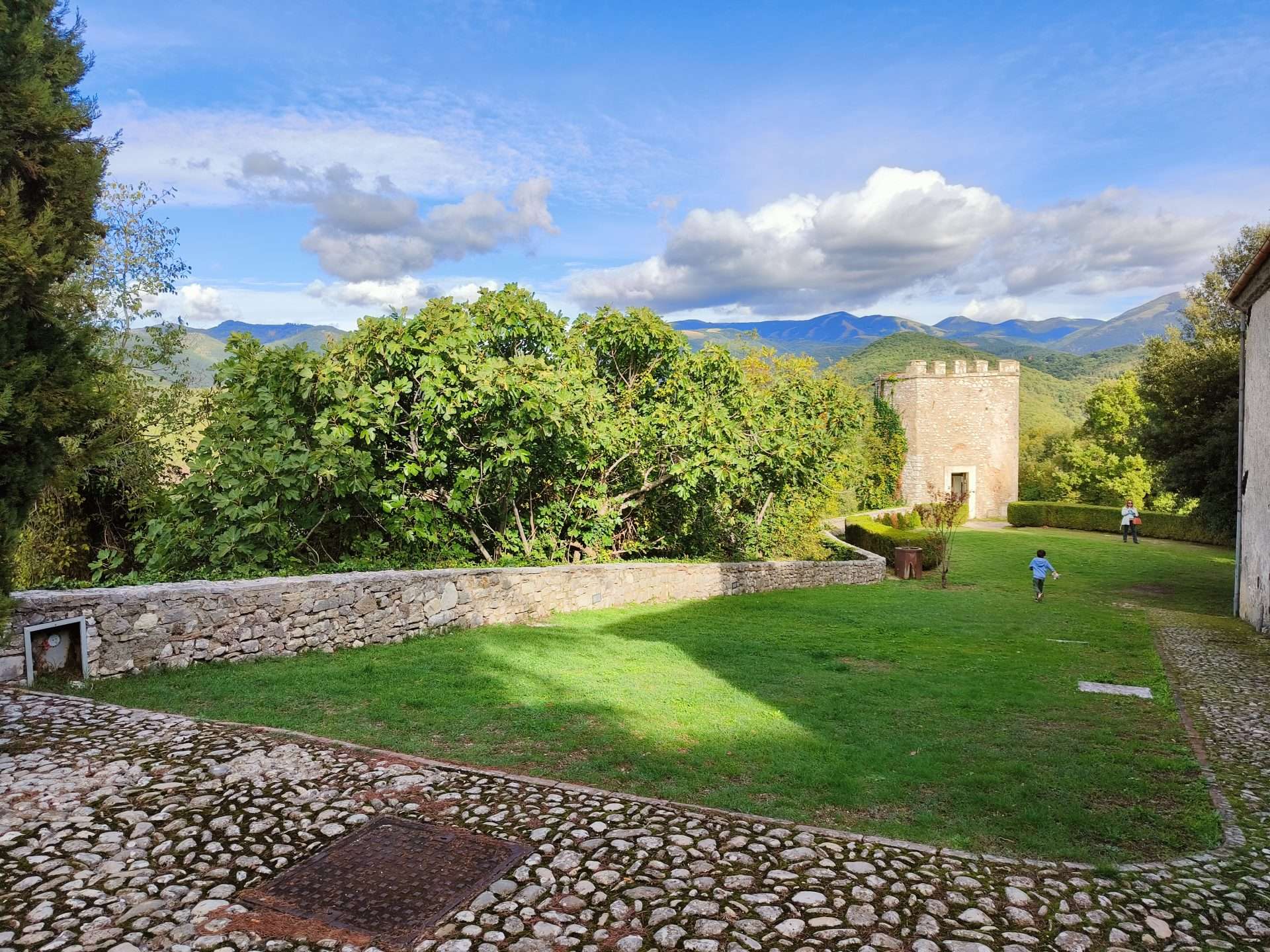
Nestled in the heart of central Italy, the province of Rieti is a hidden gem of natural beauty, rich history, and authentic Italian charm. This enchanting region, often referred to as the geographic center of Italy, offers a diverse landscape of rolling hills, pristine lakes, and dramatic mountain ranges, providing an ideal backdrop for a wide range of photo and video productions.
Breathtaking Natural Landscapes
The Rieti province boasts an impressive array of natural wonders:
- Crystal-clear lakes surrounded by lush forests
- The majestic Apennine Mountains with snow-capped peaks
- Verdant valleys dotted with olive groves and vineyards
- Pristine rivers winding through picturesque countryside
These diverse landscapes offer endless possibilities for outdoor shoots, from serene nature documentaries to high-energy adventure films.
Rich Historical and Cultural Heritage
The province is steeped in history, with roots dating back to ancient times:
- Medieval hill towns with well-preserved architecture
- Ancient Roman ruins and archaeological sites
- Romanesque churches and Renaissance palaces
- Traditional Italian piazzas bustling with local life
Each location tells a story, providing a perfect setting for period dramas, historical documentaries, or contemporary narratives with a timeless backdrop.
Unique Local Traditions
Rieti province is home to a wealth of cultural traditions:
- Colorful religious festivals and processions
- Traditional craftsmanship, including pottery and textile making
- Local culinary traditions featuring authentic Italian cuisine
- Age-old agricultural practices in picturesque rural settings
These elements offer rich visual content for documentaries, food shows, or culturally-focused productions.
Logistical Advantages
- Easy accessibility from Rome (about 80 km)
- Well-connected road network within the province
- Variety of locations within close proximity
- Less crowded than more famous Italian destinations, offering flexibility for productions
Why Choose Rieti Province for Your Production?
- Diverse locations: From mountain landscapes to medieval towns
- Authentic Italian atmosphere with fewer tourists
- Rich cultural heritage and living traditions
- Proximity to Rome and other major Italian cities
- Unspoiled natural beauty perfect for outdoor productions
Let Italy Locations be your guide to uncovering the hidden treasures of Rieti province for your next photo or video project. Immerse yourself in the authentic Italian experience and create compelling visuals that will transport your audience to the heart of Italy.
Stone Cities Beyond the Crowds: Rieti and Labro Emerge as Italy's Next Premier Filming Destinations
Rieti's medieval stone streets and Labro's hilltop village offer international productions the authentic Italian settings they seek, just 75-85 kilometers from Rome, with virtually no tourist crowds and comprehensive film commission support. These Lazio locations provide the perfect combination of ancient stone architecture for automotive shoots and medieval charm for fashion photography, delivering the visual impact of Tuscany or Umbria at a fraction of the complexity. With fewer than 50 permanent residents in Labro and Rieti's manageable historic center, productions gain exclusive access to genuine medieval environments that haven't been commercialized for mass tourism.
Ancient stone meets modern automotive in Rieti's preserved medieval center
Rieti's historic center presents an exceptional canvas for automotive photography and filming, with its 13th-century medieval walls , Roman foundations, and stone-paved piazzas creating the authentic European backdrop luxury brands seek. The city's unique position as the geographical center of Italy—the "Umbilicus Italiae"—offers varied stone textures from Roman travertine to medieval construction throughout compact, film-friendly streets. Piazza Vittorio Emanuele II provides a dramatic rectangular stone square at the city's highest point, featuring the 17th-century Dolphin Fountain and surrounding historic palazzos that create natural framing for automotive subjects.
The Roman Bridge (Ponte Romano) over the Velino River delivers riverside filming opportunities with ancient stone backdrops and views toward Monte Terminillo's dramatic peaks. Three preserved medieval gates—Porta Romana with its Latin inscriptions, Porta Cintia, and Porta San Giovanni—offer cinematic entry and exit shots that emphasize the contrast between modern automotive design and centuries-old architecture. Beneath the modern streets, Rieti Sotterranea reveals accessible Roman stone passages and arches , providing unique underground filming opportunities that few Italian cities can match.
Successful automotive campaigns in similar settings demonstrate the visual power of this approach—Fiat's 2014 500X commercial utilized the medieval stone streets of Pitigliano and Sorano in western Italy, proving that narrow historic lanes can effectively showcase modern vehicles while maintaining brand secrecy. Rieti's stone streets, particularly Via Roma built directly on Roman foundations, are wide enough for vehicle access with proper permits, while the compact historic center ensures efficient shooting schedules. The combination of elevated panoramic positions, riverside locations, and underground Roman infrastructure provides directors with multiple visual narratives within a concentrated area, reducing location moves and maximizing production efficiency.
Labro's medieval perfection creates fashion photography's next undiscovered stage
Perched at 628 meters elevation with panoramic views over Lake Piediluco, Labro represents the pinnacle of preserved medieval architecture in Lazio, earning recognition as "the stone village" for its complete construction from local materials. This hilltop jewel underwent Italy's first comprehensive conservative restoration starting in the 1960s under Belgian architect Ivan Vanmossevelde, maintaining absolute authenticity while ensuring structural integrity. The village's stepped medieval layout—with the 16th-century Castello Nobili Vitelleschi crowning the summit, noble palaces at mid-level, and traditional houses below—creates natural compositional layers perfect for fashion storytelling.
Fashion photographers discover infinite backdrops within Labro's intimate scale: narrow cobblestone alleys adorned with flowers, stone staircases that create dramatic leading lines, ancient doorways with centuries-old architectural details, and hidden courtyards that offer privacy for high-end productions. The village's three historic gates , particularly Porta Reatina with its Romanesque arch, frame subjects while providing authentic medieval context that luxury brands increasingly seek. Disney's successful 2017 production "Il vegetale" starring Fabio Rovazzi proved the location's cinematic potential, while the village's minimal population ensures the exclusivity that fashion houses require.
The elevated position delivers extended golden hour opportunities as evening light reflects off Lake Piediluco's waters, while morning sessions benefit from soft illumination filtering through medieval archways. Stone surfaces throughout the village provide warm light reflection that flatters both subjects and garments, while the variety of textures—from weathered defensive walls to smooth palazzo facades—offers contrast opportunities that elevate fashion imagery beyond studio limitations. The castle's panoramic terraces, maintained by the still-resident Vitelleschi noble family, provide luxury lifestyle settings with 360-degree views encompassing mountains, lake, and rolling Sabine hills—backdrops that position brands within authentic Italian aristocratic heritage.
Cinematic proximity without tourist pressure defines the production advantage
The strategic positioning of Rieti and Labro delivers Rome's resources without its complications, placing productions just 70-85 kilometers from Fiumicino Airport via modern highways that ensure reliable 90-minute transfers. This proximity to Italy's production infrastructure—including Cinecittà Studios and established equipment rental houses means crews access world-class technical support while shooting in virtually tourist-free environments. Unlike Florence's 10 million annual visitors or Venice's overwhelming crowds, Labro welcomes fewer than 400 residents and minimal tourism, enabling flexible shooting schedules and exclusive location access that would be impossible in Italy's famous destinations.
Local cooperation proves exceptional, with Labro's mayor actively promoting film production and Rieti's compact historic center facilitating efficient permit processes. The regions' established film history—from Disney productions to Italian television—ensures professional understanding of production needs, while proximity to Rome guarantees English-speaking crew availability and modern technical standards. Weather reliability enhances this efficiency: the Mediterranean climate delivers consistent shooting conditions from May through October, with mild winters that rarely disrupt production schedules unlike northern European locations.
Strategic positioning for the authentic Italy international productions seek
For productions seeking genuine Italian locations without tourist saturation, Rieti and Labro represent an evolution beyond overcrowded destinations that compromise both efficiency and authenticity. The combination of preserved medieval architecture, practical proximity to Rome, comprehensive production support, and virtually crowd-free shooting delivers what modern productions require: visual excellence with operational efficiency . Search trends confirm growing demand for "authentic Italian automotive filming locations" and "medieval village fashion photography," segments where these Lazio locations excel without the keyword competition of established destinations.
International productions benefit from established local services including the Albergo Diffuso Crispolti's distributed historic lodging concept in Labro, which houses crews within the medieval setting itself, and diverse dining options that showcase regional Lazio cuisine. Modern connectivity ensures remote collaboration capabilities, while the compact geographic area reduces daily transport costs and maximizes shooting time. The authentic atmosphere these locations provide—real communities living traditional lives rather than tourist-oriented facades—delivers the genuine Italy that resonates with global audiences increasingly seeking authenticity over artifice.
As Italy's film industry evolves beyond traditional hotspots, Rieti and Labro emerge as sophisticated alternatives that deliver Tuscany's visual appeal with Lazio's accessibility, creating compelling narratives for automotive brands emphasizing heritage and fashion houses seeking exclusive authenticity. Their stone streets and medieval walls tell stories that studio sets cannot replicate, while their proximity to Rome ensures that choosing authenticity never means compromising on professional standards or production efficiency.
download full scouting pdf
Download our comprehensive scouting guide in PDF format, featuring a curated selection of top photo and video locations in Rieti. Explore charming streets, iconic landmarks, and picturesque public spaces ideal for street, editorial, and automotive shoots. With detailed insights and recommendations, our scouting guide ensures a seamless experience for photographers and videographers seeking the perfect backdrop for their projects.